Sjókovin at the Annual Researcher' Night
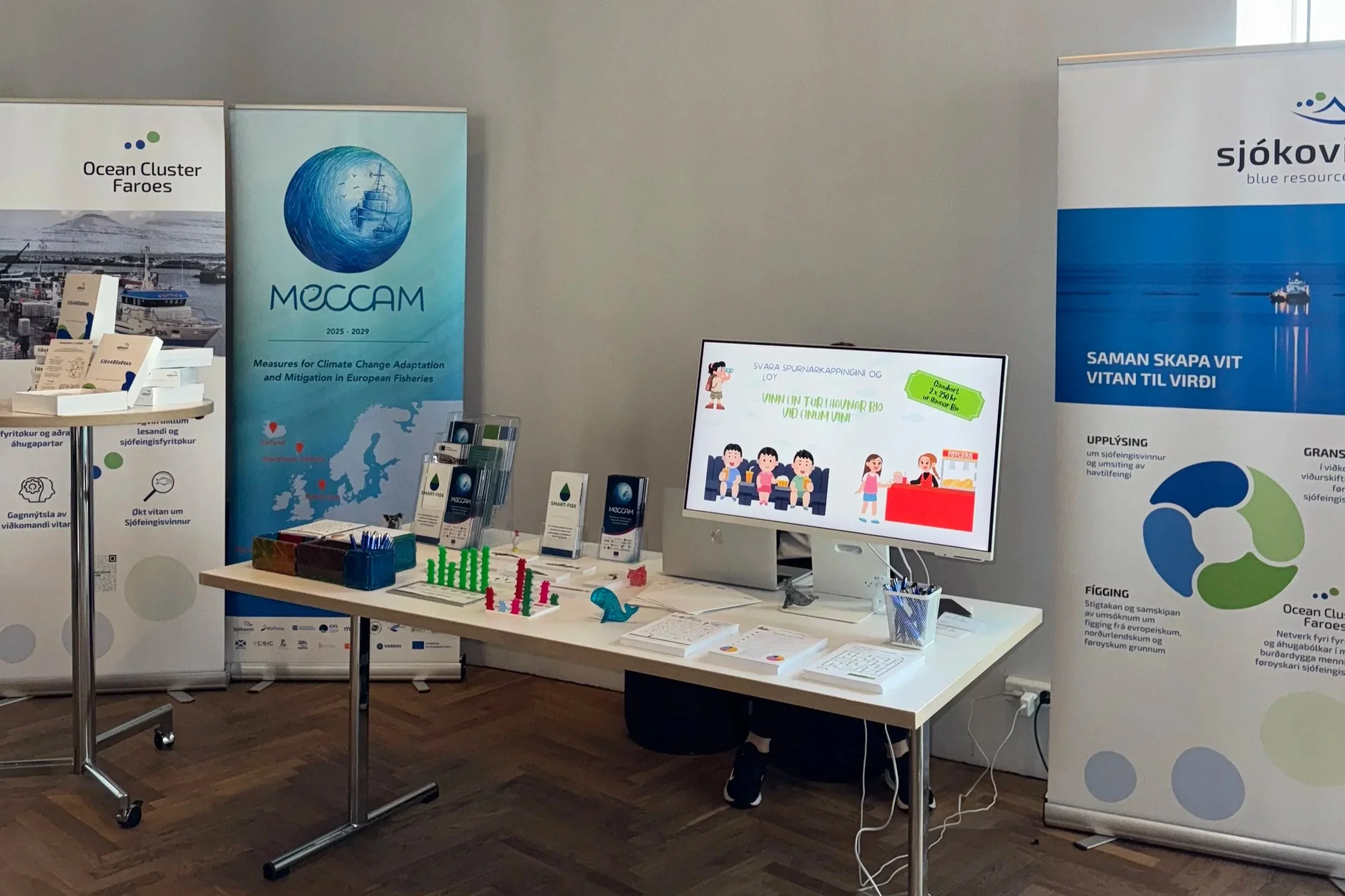
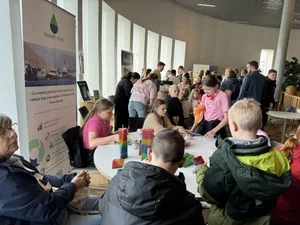
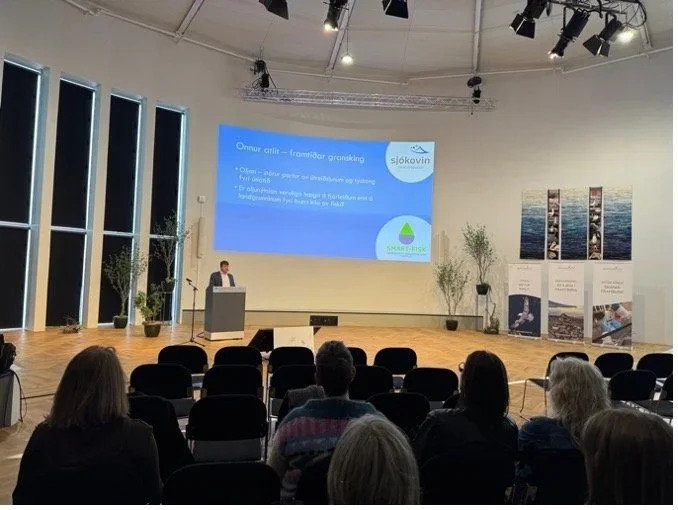
On 26 September, Sjókovin participated in the Faroes Annual Researcher Night at Sjóvinnuhúsinum in Tórshavn. Staff from Sjókovin were present, where we, among other things, gave a presentation and hosted a booth where visitors could take part in competitions and tasks highlighting economic, social, and ecological aspects of the fisheries sector.
During the day, Magni Laksáfoss, an economist at Sjókovin, presented on the topic: “Where is it most profitable to fish with longlines?” The presentation was based on a report prepared by Sjókovin in collaboration with the Longline Vessel Association. In the presentation, the performance of longline vessels on different fishing grounds was compared, taking into account landing values. The results show that access to the Flemish Cap is of very high economic importance for longline vessels. Fishing in Faroese waters, on the other hand, performs significantly worse than in the Flemish Cap, Greenland, and Iceland. Among other things, Magni showed that the daily landing value is DKK 400,000 at the Flemish Cap, compared to DKK 100,000 on the continental shelf. See Magni’s presentation here.
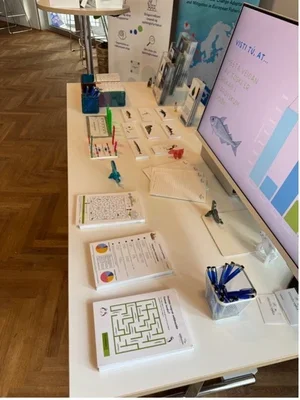
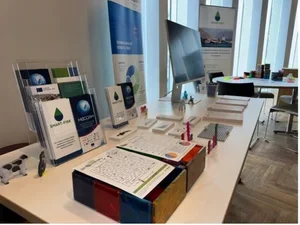
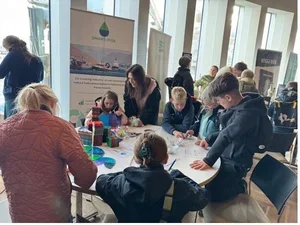
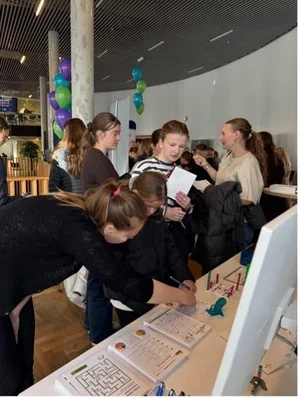
Every year, Sjókovin hosts a booth where we organise competitions and tasks highlighting economic, social, and ecological aspects of the fisheries sector. For example, visitors could try two maze games. In one, participants followed the food chain in the ocean—from phytoplankton to humans — and in the other, they helped a puffin on a fishing hunt and then counted how many sand eels it caught along the way. In addition, we ran a survey about the Faroese fishing industry. In total, 121 participants took part in the raffle for two gift cards worth DKK 250 from Havnar Bio.
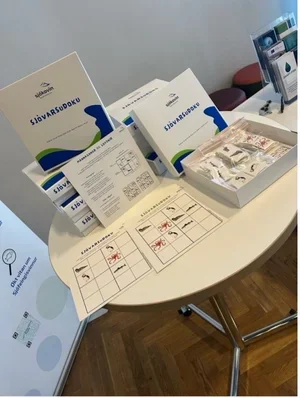
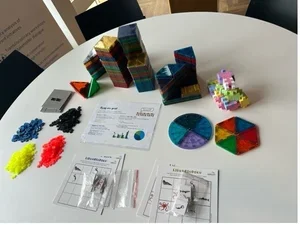
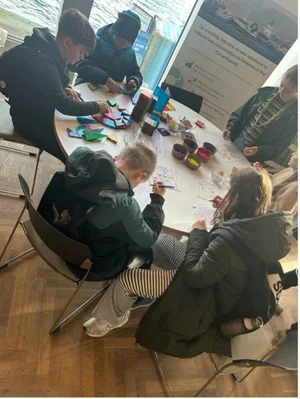
Visitors could also try tasks where they built graphs using fisheries data, using Magnatiles and PlusPlus toys. Sjókovin has also developed a “sea Sudoku” game for schools, which visitors could try on the day. These activities are designed to help children and young people think economically, understand graphs, and develop logical thinking—skills that are often used in mathematical and analytical reasoning.
The booth was very popular, with several hundred children and adults stopping by.
We thank the Research Council for organising a well-run event and look forward to participating again next year.